

Choosing a Single Bunkbed
Single bunk beds are a great solution for bedrooms with small spaces. They are often found in rehabilitation centers and youth psychiatric facilities where space is limited.
Bunk beds could have ladders that are straight or angled. The ladders that are angled can leave the lower bunk unlocked, making it more comfortable for adults. They also give an elegant appearance. Some have stairs which take up more space but are safe and easy for children to climb.
Space-saving
Bunk beds are an excellent option to reduce space, particularly in shared rooms and dormitories. They can provide a comfy sleeping area for children and adults who share a space, while freeing up floor space to accommodate other furniture or activities. However, it's important to think about the way a bunk bed could influence the overall layout of the room.
Single bunk beds come in a variety of sizes that can be adjusted to various sizes for bedrooms. Twin over twin frames for instance can accommodate two twin beds and are a popular option for rooms that are shared by siblings. Full over full bunks are ideal for older children who want to share a space but do not require as much floor space. Many bunk beds are also equipped with built-in wardrobes that will help to keep clothes organized and help reduce the clutter on the floor.
When you are choosing a bunk bed for your child, it is also possible to find ones that come with Trundle beds that provide extra sleeping space for guests or family members who visit. Bunk beds with Trundles are great for smaller living spaces like dorm rooms or studio apartments. They are also a great option for families who have multiple children that need to share a bedroom.
While bunk beds are a great way to save space, they can be difficult to clean and maintain. The multi-tiered structure of bunk beds can trap dust and other particles that are hard to reach. Bunk beds may require up to 20 percent more time for cleaning than single beds. Therefore, it is essential to adhere to the proper hygiene protocols and regularly check bunk beds to ensure they are safe for use.
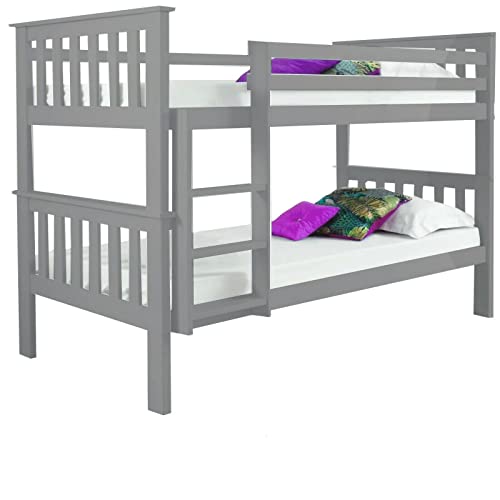
The best bunkbed for your child will ultimately be contingent on your personal preferences as well as the available space. Choose a sturdy and sturdy design and ensure that you adhere to the weight limits set by the manufacturer to avoid structural failure. And remember to always follow the instructions for assembling and using your bunk bed.
It is crucial to balance the initial cost of a facility for behavioral health with the long-term value. The right bunkbed or single bed can dramatically impact your facility's space utilization, patient satisfaction rates, and overall design of the facility.
Convenience
A bunk bed is an ideal solution to save space in tiny rooms or guest rooms. Bunk beds can also be ideal for siblings to share one room without feeling cramped. Bunk beds come in different styles, sizes and colors that can fit into any decor. The best single bunk bed depends on your budget, space and requirements. Here are some factors to take into consideration when purchasing bunk beds.
The most common type is a twin-over-full bunk bed. These beds are comprised of two mattress frames in twin size that are stacked on top of one other. Other kinds of bunk beds include full over full, L-shaped, or even triple sleepers. Each type has unique advantages. In general twin beds are favored over full beds for families with young children. This is because they provide enough space for parents and children to sleep comfortably.
You can also be creative and add special features to your bunk bed. These can include a slide or a tent top. You can also create an area for fort. These are great features for any room, particularly for children. You can also find bunk beds that have storage compartments hidden behind them to help eliminate clutter and create more functionality in a smaller room.
Another advantage of bunk beds is that it can be converted into individual daybeds. This is a great feature for those who want to stay for an extended duration. This allows your children to have their own sleeping space as they grow older.
Look for bunk beds with safety rails if you want a bunk bed that's practical and safe. They'll help keep your kids safe and prevent injuries from falling off the top bunk. It's also important to carpet the floor beneath the bunks, and examine the fittings for any looseness. Also, make sure that your bunk bed is covered by a full structural warranty.
While bunk beds are ideal for saving space in a room, they can restrict design flexibility in the future. This is especially true for healthcare settings, where patients often need to alter their rooms layouts or bed configurations. The Metal Bunkable Single Bed is the solution to this issue. It offers the same function as a bunk bed, but it also allows it to be moved from one side to the other side of the room.
Safety
Bunk beds can be a lifesaver for rooms that are overcrowded, especially in rehab centers and youth psychiatric units. They can maximize space efficiency by giving more patients the chance to sleep comfortably without having more space for individual bedrooms. Bunk beds must be positioned and maintained in a way that prevents injuries to their users. It is essential to put a rug beneath the bed to prevent children from tripping or falling, and also to keep them away from sharp objects like mirrors and curtains.
Guard rails should be placed on both sides of a bunk bed's upper mattress. The top edge of the guardrail must be at least five inches higher than the mattress's surface. There should also be no gaps between the mattress and the guardrail which could trap a child's foot or head. These gaps can be tested by putting a 9-inch diameter rigid sphere through them, according to the strict guidelines.
The ladder used for reaching the top bunk must be sturdy and securely attached to the frame. It should not be too steep or loose and must be kept away from toys and other objects to minimize the risk of children using them as climbing structures. Children should only use the ladder to go up and down to bed, and they should be encouraged to do this safely. single bunk beds for adults should not jump on or play roughly around the beds, and should not hang anything from the slats, footboards or headboards of the beds, since they can be the risk of strangulation.
It is essential that the bunk bed be located away from windows, blinds, and other obstructions which could result in trapping. A bunk bed should also be placed away from heaters, ceiling lights and fans to minimize the risk of fire.
It is vital to adhere to the specific care instructions and warnings offered by the company that makes the bunk bed, and to regularly check the condition of the guard rails and other safety features. It is also a great idea to inform children about the dangers of bunk beds and to prevent them from playing on or horseplaying.
Customization
Think about the layout of your bedroom as well as the space you have when deciding on a single-bunk bed. There are a variety of options for bunk beds, such as the traditional twin-over-full configuration. However, there are also other configurations that are flexible and allow for different configurations. A bunk bed with a double mattress on top, a staircase or storage drawers under can be more functional and let wall space accommodate furniture like an armoire or dresser.
Wood is the most sought-after material for frames for bunk beds. Metal bunk beds can be less sturdy than solid wood beds and may rust over time. This could result in an unsteady and unsafe structure. In addition, metal bunk beds can create squeaking and creaking noises in the night that could disrupt sleep. Solid wood bunks are not only more durable but also offer an environment that is more natural for sleeping.
Custom wood bunk beds are available with a range of options that will give the room a unique design. Many customers have decided to install curtains in front of the stairs or on the bunks to make the space feel more private for their children at night. Some customers have added an area to the side of the bunk bed in order to give their children a desk, shelf or other space to store their books, toys and more.
The height of the bed is a further factor to consider when it is a single bunk bed. Beds of lesser quality have a tiny headroom at their top, making it hard for children or adults who are taller to sleep comfortably there. This could pose an issue for safety and could cause neck or back pain in the night.
A bunk bed made of wood that is of high quality can have the top bed at full height, giving everyone in the family enough space to rest comfortably. This type of bunk bed can work well in a variety of room sizes and is particularly useful when there are multiple siblings sharing a single bedroom.